In today's tech-driven world, homeowners are really looking for ways to make life easier and keep their homes secure. Keyless door entry systems? They're becoming super popular, and it’s easy to see why. I read somewhere that the global smart lock market is projected to hit around $2.6 billion by 2025—that’s pretty impressive! This surge definitely shows people are trusting these keyless options more and more.
Experts like John McLeod, a well-known name in home security, really highlight how important it is to jump on board with these new gadgets. He mentions that keyless entry door locks not only boost security but also make life a lot easier when it comes to access.
Of course, it’s not all rainbows. Things like hacking or battery problems can pop up, so it’s a good idea to do regular checks to keep everything running smoothly.
While there are tons of benefits to going keyless, a little practical thinking can go a long way. Not all systems are created equal—picking a trusted brand really matters. Going for high-quality options now can save you from expensive headaches down the line. So, as you're exploring your options, it’s smart to understand where these systems could have some weak spots. That way, you’ll sleep better at night knowing your home’s in good hands.
Keyless Entry Systems: Understanding Types and Technologies
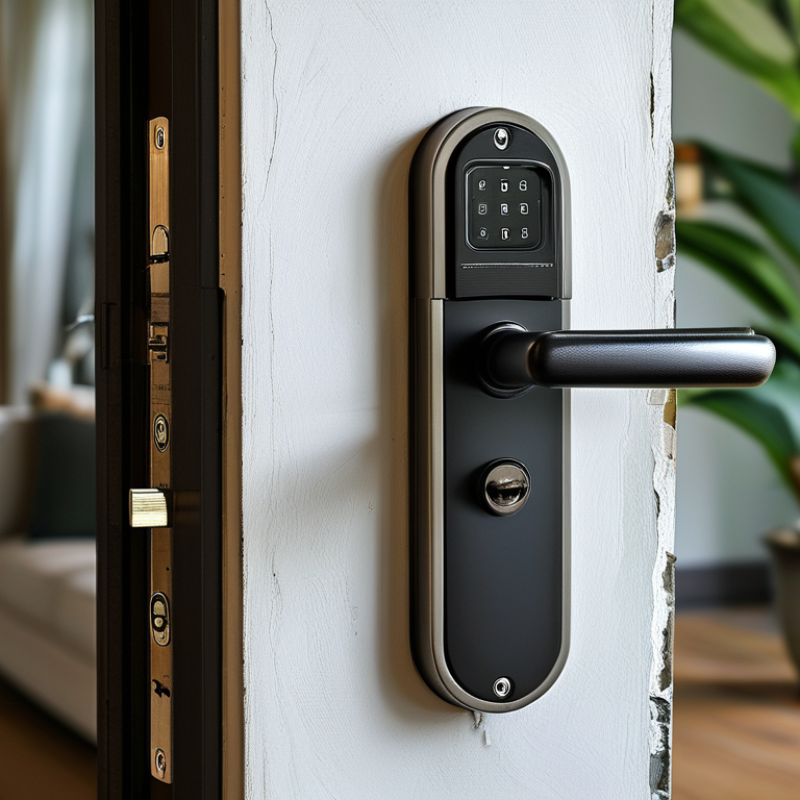
Keyless entry systems are versatile solutions for modern home security. They come in various types, including keypad, smartphone-controlled, and biometric systems. Each offers unique benefits but also presents unique challenges. Understanding these options is crucial in ensuring a secure environment.
Keypad systems use PIN codes for access. They are straightforward, but what if someone obtains your code? Regularly changing the code can mitigate risks. Smartphone-controlled systems allow for convenient access. Yet, they can be vulnerable to hacking if not properly secured. Biometric systems, utilizing fingerprints or facial recognition, provide advanced security. However, they may fail to recognize a legitimate user sometimes, leading to frustration.
When installing Keyless Door Entry solutions, consider the installation process. Professional installation can ensure correct setup and minimize vulnerabilities. Regular maintenance and updating of software are essential. Many people overlook these aspects, making their systems less reliable. Keeping your keyless system updated enhances security and your peace of mind.
Security Risks of Keyless Door Entry Systems: Data and Facts
Keyless door entry systems are gaining popularity. They offer convenience that traditional locks cannot match. However, this convenience comes with security risks that homeowners should not overlook. One major concern is hacking. Cybercriminals can exploit vulnerabilities in these systems. Reports suggest that many keyless entry systems can be easily bypassed by tech-savvy intruders.
Data breaches are also a reality. When systems store user data online, they become targets for attackers. If your information is compromised, it can lead to unauthorized access. Additionally, user habits play a role. Many people fail to secure their systems with strong passwords. Default codes are often left unchanged, providing a pathway for intruders.
Moreover, reliance on technology can create a false sense of security. Homeowners may neglect physical security measures, thinking keyless systems are foolproof. Remember, no system is entirely secure. Regular updates, strong passwords, and awareness of potential threats are essential. Balancing convenience and security is crucial for true peace of mind.
Best Practices for Installing Keyless Entry Devices in Homes
When considering keyless entry systems, proper installation is crucial for securing your home. Professionals recommend placing the devices away from windows and ensuring they are mounted out of reach. According to a recent security report, homes with keyless entry systems see a 30% decrease in break-ins compared to traditional locks. This statistic highlights the value of well-implemented technology.
Tips for installation include checking compatibility with your existing door. Ensure the door is sturdy and can support the new device. Poor installation can lead to malfunctions, leaving your home vulnerable. Regularly updating device firmware can also enhance security. Many keyless systems have features like two-factor authentication, which is an effective way to protect access.
After installing, test the system multiple times to ensure reliability. You should also consider how family members will access the home. If children are present, alternatives like temporary codes can be beneficial. Research shows that keyless entry systems have improved in reliability, but regular maintenance is still essential. By following these best practices, homeowners can achieve secure access with solutions like the China Keyless Entry Door Lock.
Choosing the Right Keyless Entry System: Factors to Consider
When choosing a keyless entry system, security is paramount. Consider the type of locking mechanism. Deadbolts are often more secure than lever locks. Think about integration with your smart home setup. Some systems can connect with security cameras or alarm systems.
User-friendliness is another factor. Look for a system that offers easy code changes. You want a system that your family can use without difficulty. App-based controls can add convenience but may require regular updates.
Budget is always a concern. More expensive models often have advanced features. However, a mid-range option might provide adequate protection for most homes. Researching customer reviews can reveal hidden flaws in popular models. Take your time to find the right fit for your needs.
Maintaining and Updating Keyless Entry Systems for Enhanced Security
When it comes to keyless entry systems, maintaining and updating them is crucial for home security. Many homeowners forget that regular updates can significantly enhance protection. Old software can make your system vulnerable. Updating firmware and software ensures that security vulnerabilities are patched. Regular maintenance, such as changing batteries and checking for wear, is equally important.
Consider the installation of an OEM Keyless Entry Door Lock. Such locks often come with built-in security features designed to protect against unauthorized access. However, even the best locks require attention. User codes should be changed regularly. Remember, using the same code for years can lead to potential security breaches.
It's easy to overlook these details amid daily life. Yet, neglecting updates could result in significant risks. Reflecting on your system's effectiveness is vital. Are you using strong, unique codes? Have you verified that all components are functioning properly? These simple steps can make a big difference in maintaining a secure keyless entry system.
Integrating Keyless Entry with Smart Home Solutions: A Comprehensive Guide
Integrating keyless entry systems into smart home solutions enhances security. Recent studies show that 27% of homeowners feel more secure with keyless entry technology. Smart locks can be controlled remotely, allowing homeowners to monitor access anywhere. This feature ensures that friends, family, or service personnel can enter without physical keys.
However, potential vulnerabilities exist. Research indicates that 40% of smart locks can be hacked if proper security measures are not taken. Regular software updates and strong passwords are essential for safeguarding these devices. Homeowners should be aware that convenience should not compromise security.
Combining keyless entry with a smart home ecosystem offers added benefits. Automated alerts notify homeowners about door activity in real time. This feature can increase peace of mind. Yet, some find the setup complex. Not everyone is tech-savvy. A keyless system should be user-friendly for everyone in the household. As smart technology evolves, balancing ease of use with security remains a critical concern.
Keyless Door Entry Tips for Secure Home Access Solutions
| Feature | Description | Security Rating | Integration Capabilities |
| Biometric Lock | Uses fingerprint recognition for access control. | High | Can integrate with home automation systems. |
| Smart Lock | Operates via smartphone app or key fob. | Medium | Works with various smart home platforms. |
| Keypad Entry | Numeric keypad allows entry with a unique code. | Medium | Can link with home security alarms. |
| Remote Access | Control your door remotely using internet connectivity. | High | Compatible with smart doorbells and cameras. |
| Smart Home Integration | Integrates with lighting, thermostats, and home assistants. | High | Enhances home security measures as a whole. |
User Education: Teaching Family Members Proper Keyless Access Protocols
Understanding keyless door entry systems is crucial for ensuring home security. User education is often overlooked but plays a vital role. According to a 2022 home security report, 27% of home break-ins occur due to user error. Teaching family members proper keyless access protocols can significantly reduce this risk.
Focus on daily practices. For instance, avoid sharing access codes via text or social media. Instead, use secure methods like password managers. To illustrate, when a family member leaves for work, remind them to lock the door using the ODM Keyless Entry Door Lock. This small moment reinforces a culture of security.
Regular training sessions are beneficial. Engaging discussions can bring awareness about phishing threats targeting smart systems. Statistics show that 66% of users do not regularly update their keyless access codes. Encourage reminders to change codes every three months. Some family members might forget or feel it's unnecessary, highlighting a gap in understanding. Through consistent user education, family members can become more vigilant and informed about their home security.
FAQS
: Proper installation is crucial for home security and prevents vulnerabilities. A well-installed system reduces break-ins significantly.
Ensure the door is sturdy and compatible with the device. This prevents malfunctions and potential security risks.
Regular updates are essential to patch security vulnerabilities. Ignoring updates can leave your system exposed to risks.
Change user codes regularly. Using the same code for years can lead to security breaches and vulnerabilities.
Yes, consider using temporary codes for children. This provides flexibility while maintaining overall security.
Test the system multiple times after installation. Regular checks on all components enhance reliability and security.
Approximately 40% of smart locks can be hacked without proper security measures. Strong passwords and updates are vital.
Assess the effectiveness of the system. Are you using strong codes? Are all components checked regularly for wear?
It allows remote monitoring and automated alerts about door activity, increasing your overall peace of mind at home.
Some users find the integration complex. A keyless system should remain user-friendly for all household members despite technology advancements.
Conclusion
Keyless door entry systems offer convenient access to homes, but understanding their types and technologies is crucial for ensuring security. These systems come with inherent security risks, and it is essential to be aware of data and facts surrounding their vulnerabilities. To maximize safety, homeowners should follow best practices during installation and consider factors such as compatibility and reliability when choosing the right system.
Maintaining and regularly updating keyless door entry systems is vital for enhanced security, as outdated devices can become easy targets for intruders. Additionally, integrating these systems with smart home solutions can provide an added layer of convenience and protection. User education plays a critical role, and families should be taught proper protocols for using keyless access to minimize risks and ensure a secure home environment.