In today’s fast-paced business world, security really has to be a top priority. As technology keeps evolving, more and more companies are turning to solutions like Commercial Smart Lock— they’re practically becoming a must-have. Jason Collins, who’s an expert in security tech over at SecureTech Solutions, puts it nicely: "Investing in smart Locks doesn’t just boost security — it also makes managing access way easier."
Businesses need reliable security systems, and that’s exactly what these smart locks deliver. They come packed with cool features like remote control and real-time access monitoring, which helps you keep track of who’s coming and going. That’s pretty handy for maintaining a secure environment. Honestly, a lot of companies overlook just how important it is to upgrade to modern security solutions.
But, it’s not all smooth sailing. There can be some hurdles, like needing professional help to install these locks — which can make the process a bit complicated. Plus, with so many options out there, it might feel a bit overwhelming trying to figure out what’s best for your business. So, before jumping in, it’s smart to think about what you really need. Picking the right Commercial Smart Lock isn’t just about features — you also gotta consider costs and what fits your specific situation. When you keep all that in mind, it’s much easier to upgrade your security and boost your team’s efficiency at the same time.
Types of Commercial Smart Locks Available for Businesses
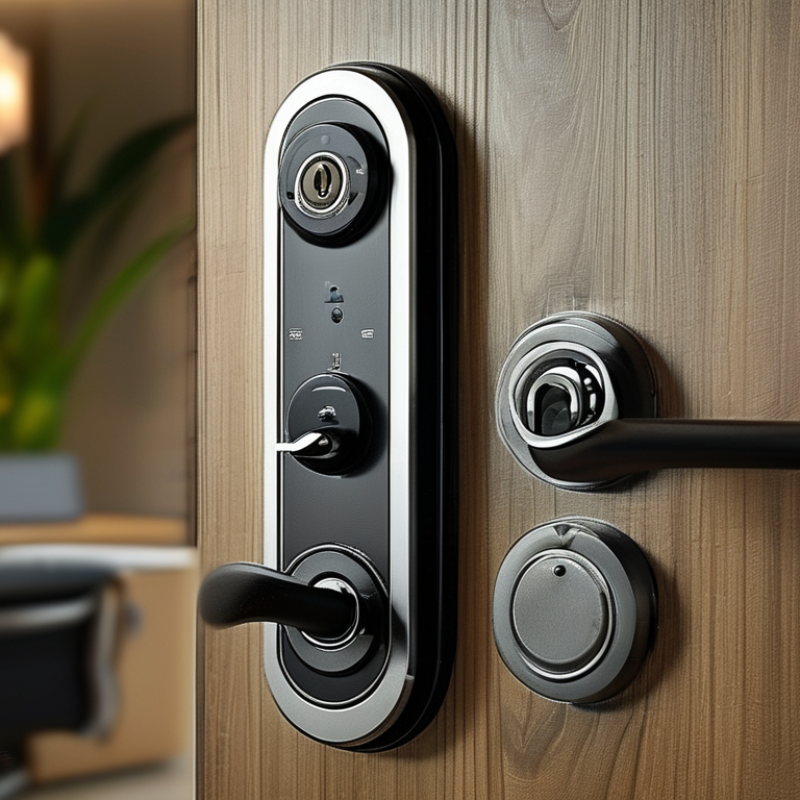
In today’s rapidly evolving business landscape, choosing the right access control solutions is vital. Companies can enhance security with various types of commercial smart locks. The most common types include keypad locks, biometric locks, and mobile app-controlled locks. Each type offers unique features suited for specific business needs. For example, keypad locks eliminate the risk of lost keys and provide easy code changes. In fact, a report from MarketsandMarkets suggests the commercial smart lock market is expected to reach over $9 billion by 2026, indicating growing reliance on such technology.
Biometric locks, using fingerprints or facial recognition, offer next-level security. Research shows that these locks reduce unauthorized access by up to 80%. However, they can be costly and may require additional maintenance. Mobile app-controlled locks provide convenience, enabling remote access management. Yet, they depend heavily on reliable internet connectivity. This reliance isn’t always guaranteed, prompting businesses to consider backup solutions.
Choosing the right Commercial Door Smart Lock involves weighing cost, technology, and security needs. Many companies struggle with installation and integration into existing systems. Training employees on new access protocols is essential but can be overlooked. A comprehensive approach ensures both security and usability. Balancing these factors is crucial for robust business operations.
Commercial Smart Lock Solutions Overview
Key Features to Consider When Selecting a Smart Lock
When selecting a Smart Lock For Commercial Doors, it's crucial to prioritize the security features. A recent study shows that 83% of businesses experience security breaches linked to traditional locks. Keyless entry systems can reduce this risk significantly. Features like access control, audit trails, and remote management capabilities are essential. Businesses can monitor who enters or exits at any time, enhancing security awareness.
Consider the installation process as well. Many smart locks require professional installation, which can add to the initial costs. However, some options are designed for easy DIY installation, saving time and expenses. It's useful to review warranties and customer service support. A report from the Security Industry Association indicates that 76% of businesses need reliable support from their smart lock provider.
Integration with existing systems is another vital aspect. A smart lock needs to work seamlessly with security cameras and alarms. In a fast-paced market, this can pose challenges. A lock that lacks compatibility can lead to operational delays. Decision-makers should assess the flexibility of their chosen systems to avoid future complications. Ensuring that all elements function harmoniously contributes significantly to overall safety and efficiency.
Benefits of Using Smart Locks for Business Security
Smart locks offer multiple advantages for business security. According to a 2022 report from Security.org, businesses using smart locks experience a 30% reduction in security breaches. This significant decrease stems from features like remote access and advanced encryption. Such tools provide real-time monitoring and control, enhancing overall security measures.
Businesses now face rising theft rates, emphasizing the importance of reliable access management. Smart locks made with durable materials can withstand various environmental conditions. Regular updates of software ensure that vulnerabilities are patched promptly. However, the reliance on technology can lead to misunderstandings and technical issues. Employees may struggle with new systems, potentially creating operational hiccups.
Here are a few strategies to maximize the effectiveness of smart locks. Train staff on usage to reduce confusion. Regularly review access permissions to ensure only authorized personnel have entry. Consider integrating smart locks with existing security systems for enhanced protection. This approach not only streamlines security management but also improves employee confidence in the system. Technology is a tool, and proper usage is essential for optimal security.
Integration of Smart Locks with Existing Security Systems
Integrating smart locks with existing security systems can enhance overall safety and convenience for businesses. Many companies have outdated locking mechanisms that can be vulnerable to breaches. Smart locks provide a modern solution; however, challenges can arise during integration. It is essential to evaluate existing systems and identify gaps that smart locks can fill.
Compatibility is crucial when adopting smart lock solutions. Some systems may not support wireless technology, making integration difficult. Businesses must consider whether the current security framework will work with new devices. This process requires careful planning and may reveal unexpected issues. Testing the integration in stages can help ensure functionality and security.
It's also vital to train staff on the new system. Employees may resist change if not properly informed. Effective communication about the benefits can ease this transition. However, a common oversight is underestimating staff training time. Ensuring everyone is on board can make or break the success of the integration. Planning for these elements can lead to a smoother implementation of smart locks within existing systems.
Comparative Analysis of Leading Smart Lock Brands
In the competitive world of commercial security, understanding various smart lock solutions is essential. A comparative analysis of leading brands reveals significant differences in technology, user experience, and security features. Many businesses prioritize ease of access while ensuring robust protection against unauthorized entries.
Performance is a crucial factor. Some smart locks provide excellent integration with existing security systems, while others may lack compatibility. The user interface varies greatly; some locks offer intuitive designs, while others can be software-intensive and complicated. Businesses should consider the learning curve for staff in adopting new technology, as a confusing setup could lead to frustration.
A helpful guideline is to assess the specific needs of your business. Consider factors such as location, employee turnover, and access patterns. For example, if a company frequently hires seasonal workers, a solution with flexible access control is necessary. Ultimately, installing a smart lock can enhance overall security, but only if it is the right fit for your commercial needs. When looking for options, exploring innovative offerings in the China Commercial Smart Lock market may provide valuable insights for your decision-making process.
Installation and Maintenance of Commercial Smart Locks
The installation of commercial smart locks is crucial for enhancing security in any business. A well-implemented system can reduce unauthorized access by up to 70%, according to a recent industry report. When considering installation, it's essential to evaluate the layout of your premises and the specific access needs of your staff. This will guide you in selecting the right smart lock features and integration options.
Maintenance of these locks is equally important. Regular software updates are vital for cybersecurity, ensuring that vulnerabilities are patched as they are discovered. It’s recommended to perform a thorough inspection every six months. This aligns with data showing that 30% of businesses neglect routine checks, often leading to security breaches. An integrated approach to maintenance can save costs in the long run, as proactive measures extend the lifespan of your locking systems.
Investing in OEM Commercial Smart Lock solutions can streamline your access management. For optimal performance, always document any issues experienced and track the maintenance schedule. This can provide valuable insights into your locks’ reliability and alert you to recurring problems. Engaging with a professional for installation and service can enhance these systems' efficacy and safeguard your business assets effectively.
Future Trends in Smart Lock Technology for Businesses
Smart lock technology is evolving rapidly, reshaping how businesses secure their premises. One of the emerging trends is the integration of biometric authentication. This technology uses unique physical traits, like fingerprints or facial recognition, to grant access. While this approach enhances security, businesses must balance privacy concerns with convenience. Implementation may require employee training and clear policies to ensure everyone understands the usage.
Cloud-based smart locks are also on the rise. These locks allow remote management and monitoring. Business owners can grant or revoke access from anywhere. This flexibility is attractive for managing multiple locations. However, depending on internet connectivity could lead to vulnerabilities. It’s crucial to have backup access solutions in place, should a system fail.
The future will likely see enhanced AI capabilities in smart locks. Predictive algorithms may anticipate security needs and suggest access changes. However, reliance on technology may lead to potential oversight. Regular audits of access logs and permissions are vital. Staying informed about the latest advancements can aid in making informed decisions for your security strategy.
FAQS
: Key features include access control, audit trails, and remote management capabilities to enhance security.
Evaluate compatibility with current systems. Seamless integration is crucial to avoid operational delays.
Not always. Some smart locks are designed for easy DIY installation, which can save time and money.
Regular inspections every six months are recommended to avoid neglect and potential security breaches.
Effective communication about benefits can ease the transition. Underestimating training time can lead to challenges.
Yes, a well-implemented system can reduce unauthorized access by up to 70%, according to industry reports.
A common oversight is underestimating the time needed for staff training, which can affect implementation success.
Yes, regular updates are vital for cybersecurity and help patch vulnerabilities as they arise.
Track any issues experienced and maintain a schedule for inspections. This provides insights for reliability.
Compatibility, staff training, and effective communication are vital elements for success in integration.
Conclusion
In today's evolving security landscape, implementing aCommercial Smart Lock is essential for businesses seeking enhanced protection and convenience. Various types of commercial smart locks are available, each offering distinct features tailored to meet diverse business needs. Important factors to consider when selecting a smart lock include security protocols, integration capabilities with existing systems, and ease of installation and maintenance.
The benefits of commercial smart locks extend beyond security, as they provide greater control over access and can streamline operational efficiency. Moreover, as technology advances, businesses can expect future trends in smart lock solutions to focus on improved connectivity, biometrics, and user-friendly interfaces, making commercial smart locks a vital component of modern security strategies.